
Our Programs
Comprehensive initiatives designed to address the diverse needs of our communities and create lasting positive impact across Kenya.
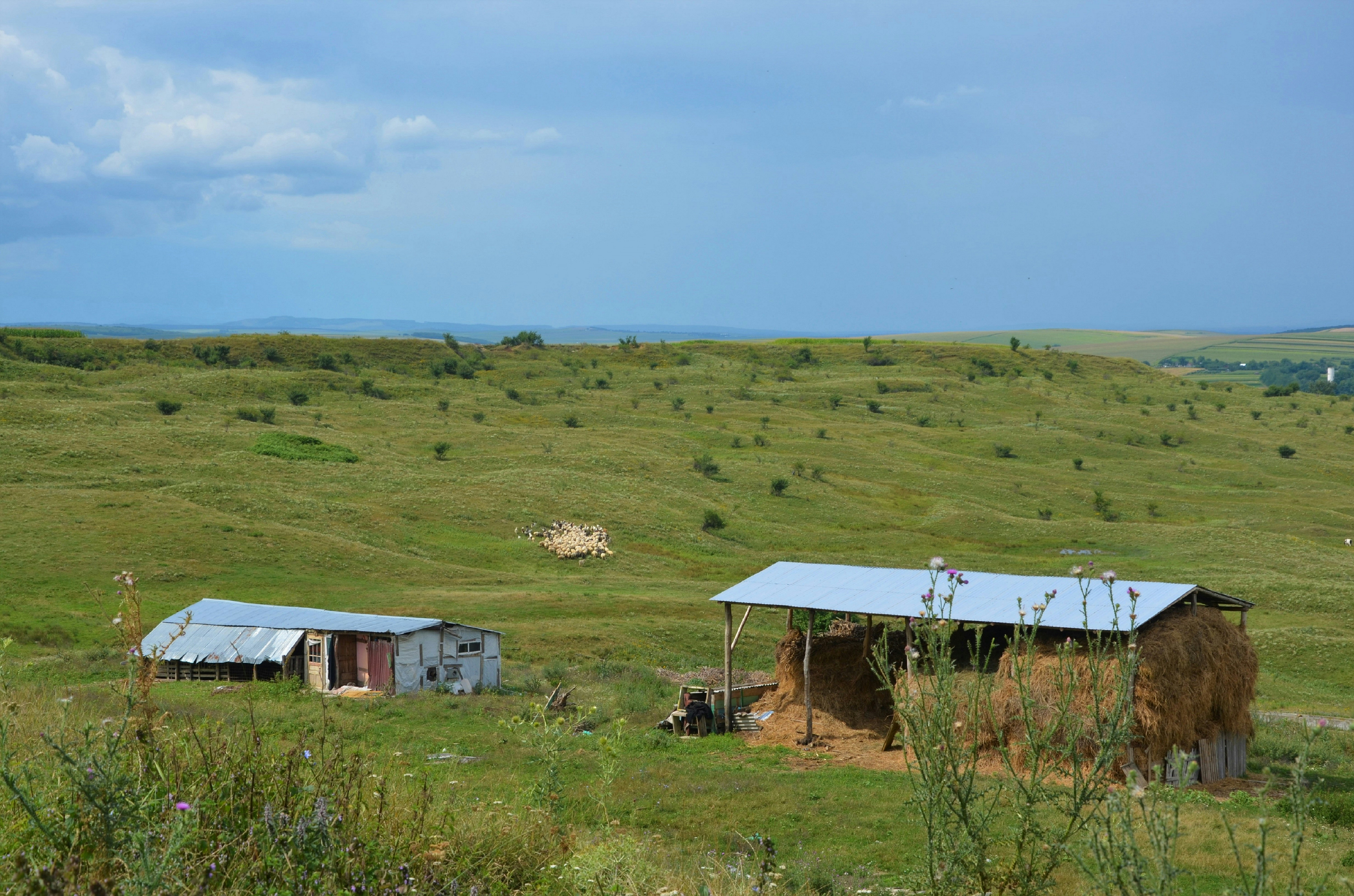
Comprehensive skill-building programs that empower individuals and strengthen communities through vocational training, leadership development, and capacity building initiatives.

Providing crucial information, advocacy support, and professional guidance to help individuals and communities access their rights and navigate complex systems.
Emergency relief and ongoing support through distribution of food, clean water, clothing, and other essential items to vulnerable populations during crises and ongoing hardship.
Breaking down barriers to education through comprehensive support including school fees, learning materials, and educational programs for children and adults.
Providing essential equipment, assistive devices, and materials to support livelihoods, accessibility, and community development initiatives.
Program Impact
Our integrated approach ensures that each program reinforces the others, creating a comprehensive support system that addresses root causes and builds lasting resilience.